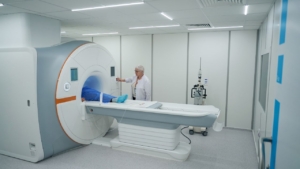
Hospitals procure contrast media through concentrated supplier networks where quality, cost, and continuity define competitive advantage. These contrast materials support a wide range of medical imaging procedures, and the global contrast media market reached USD 7.3 billion in 2025, with the hospital segment representing USD 4.36 billion of addressable demand and projected growth at 8.8% CAGR through 2033. Vendor selection must account for product performance, regulatory compliance, pricing transparency, and the ability to maintain supply during manufacturing disruptions or allocation constraints.
Effective contrast vendor evaluation follows a structured methodology weighing clinical fit, financial impact, and operational resilience. Healthcare professionals and hospital procurement teams must balance immediate cost savings against long-term supply reliability for every CT examination and MRI scan, especially after recent shortages demonstrated single-source dependence risks. This framework provides decision criteria, benchmarking tools, and practical steps to evaluate contrast media agents and vendor options across diverse hospital types and purchasing channels.
Key Takeaways
- Quality and cost account for 60% of the buyer’s decision weight in vendor selection for radiology processes
- The top four contrast media manufacturers collectively hold approximately 75% of the global market share
- Over 95% of U.S. hospitals use GPO contracts to access negotiated pricing and reduce administrative burden
- Supply continuity and shortage response capability have become critical differentiators following recent market disruptions
- Total delivered cost must include rebates, waste factors, logistics, and injector compatibility beyond headline unit pricing
What Are Contrast Media and Their Key Types?
What Are the Main Contrast Media Categories Used in Hospitals?
Iodinated contrast agents dominate hospital procurement by enabling CT imaging, including CT scans, and angiography procedures across emergency, oncology, and interventional settings. These agents held 71.52% of the market share in 2025, reflecting their central role in high-volume diagnostic imaging. Gadolinium-based contrast agents support magnetic resonance imaging (MRI) applications and represent the second major category hospitals must stock. CMS assigns HCPCS codes Q9967, Q9966, and Q9965 to different iodinated concentration ranges, establishing reimbursement benchmarks that influence formulary decisions.
A complete guide to contrast agents—iodine-based and gadolinium compounds in medical imaging—helps procurement teams understand product differentiation and clinical substitutability. Modality mix determines which categories hospitals prioritize, but most systems require both iodinated and gadolinium portfolios for comprehensive imaging services.
Which Supplier Types Provide Contrast Media Products?
The top four players—GE HealthCare, Bayer, Bracco, and Guerbet—collectively control approximately 75% of global market share through branded portfolios and established hospital relationships. Bracco Imaging, GE HealthCare, Lantheus, Bayer, and Guerbet consistently rank as leading suppliers, offering broad modality coverage and regulatory depth. Generic suppliers like Fresenius Kabi position FDA-approved substitutable products at lower price points for cost-sensitive buyers seeking formulary savings. Regional manufacturers such as Beilu Pharma, China’s first dedicated contrast media producer, provide second-source alternatives and geographic manufacturing diversification.
Market concentration creates both efficiency and vulnerability, as fewer manufacturers control essential hospital supply chains. Hospitals evaluating vendors must assess whether top-tier branded suppliers, value-oriented generics, or emerging regional players best match their clinical requirements and risk tolerance.
How Do Hospital Segments Differ in Contrast Media Needs?
The hospital segment reached USD 4.36 billion in 2025 and is expected to grow at 8.8% CAGR from 2025 to 2033, driven by imaging volume expansion and modality adoption. Critical Access Hospitals operate in rural communities with limited imaging capabilities, often lacking 64-slice CT or MRI equipment that drives premium contrast demand. Urban counties averaged 119 square miles per CT machine versus 759 in rural counties, illustrating infrastructure concentration that shapes supplier logistics and service models. MRI access shows greater disparity, with urban counties averaging 130 square miles per machine compared to 4,048 in rural areas.
Large academic systems and tertiary hospitals consume higher volumes of specialized formulations across diverse procedures, while community hospitals and imaging centers prioritize affordability and workflow simplicity. Vendor selection must align with facility type, modality mix, and geographic distribution to ensure appropriate product fit and delivery reliability.
Why Is Contrast Media Vendor Selection Critical for Hospitals?
What Factors Influence the Procurement of Contrast Media?
Hospital buyers weigh quality at 37%, cost at 23%, compliance at 16%, service at 11%, reliability at 7%, agility at 4%, and delivery at 2% when evaluating medical suppliers. These priorities reflect the need to balance clinical performance with budget constraints and regulatory accountability in radiology vendor assessment. Quality encompasses image enhancement effectiveness for MRI images and CT results, adverse-event profiles, sterility assurance, and documentation completeness supporting formulary approval. Cost extends beyond unit price to include rebate structures, waste factors, injector compatibility, and total delivered expense across the supply chain.
Compliance verification ensures suppliers maintain certifications, meet pharmacovigilance requirements, and adhere to contract terms. Service responsiveness affects issue resolution speed, training support quality, and account management consistency.
How Do Market Dynamics Affect Vendor Choice?
The global contrast media market was valued between USD 7.3 and 7.7 billion in 2025-2026, establishing the commercial scale of available supplier options. Projections estimate the market will grow from USD 6.99 billion in 2026 to USD 10.15 billion in 2031, representing a five-year CAGR of 7.76%. Asia Pacific demonstrates the fastest regional expansion at 9.38% CAGR to 2031, driven by healthcare infrastructure investment and imaging adoption. North America remains the largest regional market, sustaining premium pricing and established supplier relationships.
Market concentration among top suppliers creates a shortage vulnerability when manufacturing disruptions or allocation decisions limit available inventory. Understanding 15 proven solutions to overcome the iodinated contrast media crisis helps hospitals prepare contingency plans and diversify sourcing relationships.
What Role Do Contract Channels Like GPOs Play?
Group Purchasing Organizations serve as intermediaries that aggregate hospital demand to negotiate favorable pricing and contract terms with manufacturers. Over 95% of U.S. hospitals use GPOs for procurement, making this channel the dominant access route for contrast media acquisition. Direct manufacturer contracts offer volume discounts and customized terms for large integrated delivery networks with centralized purchasing power. GPO contracts reduce administrative burden, provide formulary access, and deliver negotiated rebates for smaller systems lacking internal procurement resources.
Contract channel selection affects net acquisition cost, supplier flexibility, and administrative complexity. Facilities should compare direct manufacturer agreements against GPO options to determine which model optimizes value for their purchasing volume and operational capacity.
What Are the Primary Criteria for Evaluating Contrast Media Vendors?
How Is Product Quality Assessed?
Top-tier branded suppliers deliver clinical credibility through validation history, regulatory depth, and established performance records supporting formulary confidence. Value-oriented generics provide FDA-approved equivalence at lower cost, enabling budget relief without compromising essential clinical safety and efficacy standards. Quality assessment examines how each contrast medium performs for image enhancement consistency, adverse-event incidence, concentration accuracy, shelf-life stability, and documentation completeness. Hospitals should verify batch-release reliability, pharmacovigilance systems, and quality management certifications before finalizing vendor selection.
The complete checklist for evaluating contrast media suppliers—quality metrics that matter—provides specific verification steps and performance benchmarks. Product quality remains the highest-weighted decision factor at 37%, demanding rigorous assessment before cost considerations influence final vendor choice.
What Cost Factors Should Be Considered?
Omnipaque 350 from GE HealthCare carries a public cash price of USD 0.91 per mL, while Isovue-370 from Bracco lists at USD 0.48 per mL, illustrating significant price variation across branded products. Optiray from Guerbet represents the primary low-osmolar alternative from the third-largest iodinated supplier. CMS ASP benchmarks establish reference bands approximating USD 15.20 for budget formulations, USD 45.00 for mid-range products, and USD 95.90 for premium concentrations per 100 mL. These figures represent public benchmarks rather than net hospital acquisition prices, which typically include confidential discounts, rebates, and contract adjustments.
Evaluating contrast media pricing trends in 2026—what hospital procurement teams should expect—helps buyers contextualize current market rates. Total delivered cost must incorporate waste allowances, injector compatibility expenses, logistics fees, and rebate timing to enable accurate vendor comparison.
Why Are Compliance and Regulatory Status Essential?
Regulatory approvals verify that products meet FDA safety standards and manufacturing quality requirements before hospital deployment. Certification depth encompasses ISO quality systems, pharmacovigilance infrastructure, and documentation practices supporting Joint Commission readiness and internal compliance audits. Contract adherence ensures vendors fulfill delivery commitments, allocation promises, and service-level agreements without unexpected deviations. Compliance verification protects hospitals from formulary risks, reimbursement complications, and regulatory penalties.
Understanding how to ensure product quality and compliance through supplier checklists provides structured verification tools. Compliance accounts for 16% of buyer decision weight, requiring thorough due diligence during vendor evaluation and ongoing monitoring after contract award.
How Does Continuity of Supply Impact Vendor Evaluation?
What Lessons Were Learned From Recent Contrast Media Shortages?
Single-source dependence can lead to severe operational constraints when manufacturing disruptions, allocation policies, or demand surges limit product availability. Recent shortage experience demonstrated that hospitals relying on one vendor faced delayed procedures, rationing protocols, and emergency substitutions that strained clinical workflows. Over-reliance on the lowest price without adequate continuity safeguards compromises supply reliability and exposes facilities to unplanned expenses during shortage events. These lessons elevate supply continuity as a critical evaluation factor beyond traditional quality and cost criteria.
Hospitals must assess vendor manufacturing redundancy, allocation transparency, and shortage communication protocols during selection processes. Shortage experience shows that continuity of supply deserves greater emphasis than generic procurement frameworks typically assign.
How Important Is Delivery Reliability and Logistics Support?
Rural hospitals face higher logistics sensitivity because limited modality access and lower volumes make delayed shipments more disruptive to patient scheduling. Urban systems benefit from dense distribution networks and backup inventory options that reduce delivery risk. Delivery reliability encompasses fill rate consistency, lead time predictability, emergency fulfillment capability, and regional distribution infrastructure. Logistics support includes temperature-controlled transport, proper storage guidance, and inventory management assistance, preventing product degradation or waste.
Proper storage and handling of contrast media—temperature, light, and safety guidelines—ensures facilities maintain product integrity. Vendor logistics capabilities become especially critical for facilities lacking large on-site storage or sophisticated inventory management systems.
What Contractual Safeguards Can Ensure Supply Stability?
Allocation clauses define how vendors prioritize customer supply during shortage periods, preventing unexpected reductions that disrupt hospital operations. Substitute authorization permits hospitals to procure clinically equivalent alternatives when primary products become unavailable without contract penalties. Lead-time guarantees establish maximum fulfillment windows that vendors must meet, providing predictability for inventory planning. Communication triggers require vendors to notify hospitals promptly when shortages, delays, or substitutions become necessary.
Hospitals should negotiate these provisions before contract execution rather than addressing supply issues reactively during crisis periods. Step 6 of effective vendor evaluation requires reviewing contract flexibility for second-source or substitute supply arrangements that preserve operational continuity.
How Can Service and Workflow Compatibility Influence Vendor Choice?
What Is the Importance of Injector and Consumable Integration?
The NHS framework explicitly separates Lot 1 for contrast agents from Lot 2 for injectors, consumables, maintenance, and repair, recognizing the operational interdependence. Injector compatibility affects dose accuracy, waste reduction, protocol automation, and technologist workflow efficiency, which directly impacts department productivity. Integrated suppliers align contrast formulations with injector systems and consumables to optimize performance, simplify training, and streamline service accountability. Standalone vendors may offer greater price transparency but require hospitals to coordinate separate relationships for media, devices, and support services.
Bundled solutions reduce vendor complexity at the potential cost of higher switching barriers and reduced pricing visibility. Large radiology departments and catheterization labs often prioritize workflow integration, while smaller facilities may value unbundled pricing and component flexibility.
How Does Vendor Responsiveness Affect Hospital Operations?
Service responsiveness determines how quickly vendors resolve supply issues, answer clinical questions, provide training, and escalate urgent requests through account management channels. Strong vendor support includes technical consultation for protocol optimization, rapid issue resolution, and proactive communication about supply conditions. Poor responsiveness creates operational friction that burdens hospital staff with extended hold times and insufficient problem-solving assistance. Service quality accounts for 11% of buyer decision weight, making responsiveness a meaningful differentiator among clinically acceptable vendors.
How to evaluate a reliable contrast media supplier for your facility provides evaluation criteria for service performance. Hospitals should request reference checks and service-level agreement terms during vendor assessment to verify responsiveness claims.
What Are the Benefits of Bundled Media and Injector Solutions?
Integrated suppliers provide workflow alignment by ensuring contrast formulations, injector systems, and consumables function seamlessly across radiology and interventional environments. Workflow efficiency improves when vendors coordinate equipment installation, staff training, protocol development, and technical support through unified service teams. Bundling reduces administrative complexity by consolidating contracts, invoices, and vendor relationships. However, integrated solutions may increase switching costs and reduce price transparency by packaging multiple components into a single agreement.
Standalone media procurement preserves pricing visibility and enables competitive bidding, but requires hospitals to coordinate separate injector and consumable relationships. Facilities must balance workflow convenience against price transparency and vendor lock-in risk.
How Do Pricing Models and Contract Types Affect Contrast Media Procurement?
What Reference Benchmarks Are Useful for Price Comparison?
CMS ASP reimbursement files provide authoritative public benchmarks for HCPCS-coded products, establishing baseline payment rates hospitals can use for acquisition comparisons. Public list prices from manufacturers offer headline cost references, though actual hospital net prices typically reflect substantial negotiated discounts. GPO contract pricing combines volume aggregation with administrative efficiency, delivering mid-range rates between premium direct deals and budget generic options. Framework agreements in public health systems establish transparent multi-year rates supporting predictable budgeting and procurement planning.
Benchmark utility depends on contract confidentiality, rebate structures, and waste factors that vary across suppliers and purchasing channels. Hospitals should normalize comparisons to delivered cost per procedure rather than relying on nominal per-milliliter unit prices.
How Do Direct, GPO, and Distributor Contracts Differ?
Direct manufacturer contracts enable large integrated delivery networks to negotiate volume discounts, customized service terms, and preferential allocation during shortage periods. GPO contracts reduce administrative burden by providing pre-negotiated pricing, simplified compliance, and formulary access for multi-site systems lacking centralized procurement resources. Distributor-led sourcing offers flexibility for emergency orders, multi-brand access, and smaller volume purchases at the potential cost of added markup. Direct contracts require stronger internal procurement capability but deliver maximum leverage for high-volume buyers.
GPO participation suits community hospitals and mid-size systems, prioritizing operational simplicity over customized contract terms. Distributor relationships provide backup supply channels and urgent fulfillment options that complement primary vendor agreements.
What Total Cost Factors Should Hospitals Evaluate?
Net acquisition price reflects headline unit cost after contractual discounts, volume rebates, and market-basket adjustments. Waste factors account for expired inventory, partial vial disposal, and unused contrast from aborted procedures that increase the effective cost per patient. Logistics expenses include shipping fees, temperature-controlled transport, emergency delivery surcharges, and inventory carrying costs. Injector compatibility costs encompass consumables, maintenance agreements, and workflow inefficiencies when contrast products require equipment modifications.
Implementing 5 proven strategies to reduce contrast media costs without compromising quality identifies total cost optimization opportunities. Procurement teams must aggregate all expense components to compare and contrast media suppliers accurately and avoid selecting vendors based on incomplete cost visibility.
How Can Hospitals Implement a Stepwise Vendor Evaluation Framework?
What Key Questions Should Guide Each Evaluation Step?
Step 1 requires checking whether products meet modality requirements, concentration specifications, and clinical-use needs that formulary and radiology teams have defined. Step 2 verifies supplier compliance status, certification depth, and contract readiness to ensure regulatory alignment and operational preparedness. Step 3 calculates the true net cost after incorporating rebates, waste allowances, and logistics expenses. Step 4 assesses the vendor’s ability to maintain supply during manufacturing disruptions, demand surges, or allocation constraints.
Step 5 evaluates service quality, communication responsiveness, and workflow support impacting daily department operations. Step 6 reviews contract flexibility for second-source arrangements, substitute authorizations, and emergency procurement provisions, preserving supply stability.
How Should Quality, Cost, and Compliance Be Weighted?
Quality receives the highest priority at 37% because product performance, safety, and regulatory acceptance establish the foundation for formulary inclusion. Cost accounts for 23% of decision weight, reflecting budget constraints and financial accountability. Compliance merits 16% weighting through certification requirements, contract adherence, and documentation standards protecting hospitals from regulatory risk. Service, reliability, agility, and delivery combine for the remaining weight, recognizing their supporting role.
Hospitals should apply these weights systematically through scored vendor assessments rather than making selection decisions based on informal comparison. Quality and compliance function as entry gates that vendors must pass before cost considerations determine final awards.
When Should Supply Continuity and Service Support Influence Decisions?
Supply continuity becomes decisive when evaluating vendors with similar quality, cost, and compliance profiles but different shortage-response capabilities and manufacturing redundancy. Service support differentiates suppliers in high-volume departments where responsiveness, training quality, and workflow integration directly affect productivity. Recent shortage experience elevates continuity importance beyond traditional procurement frameworks that minimized delivery and reliability weighting. Hospitals should increase emphasis on allocation transparency, lead-time guarantees, and substitute flexibility when selecting vendors for essential imaging supplies.
Step 6 ensures contract terms preserve supply flexibility through second-source provisions, substitute authorizations, and emergency procurement clauses activating during disruptions. Facilities dependent on stable contrast supply should prioritize vendors demonstrating proven continuity through past shortage events and diversified manufacturing infrastructure.
Practical Considerations for Evaluating Contrast Media Vendors
Hospitals must balance quality assurance, cost management, and supply reliability when conducting a vendor evaluation across diverse facility types and clinical needs. Large academic systems benefit from top-tier branded suppliers offering broad portfolios, manufacturing redundancy, and strong continuity provisions. Community hospitals and imaging centers often gain more value from GPO-mediated contracts or value-oriented generic vendors that reduce administrative burden and deliver affordable, clinically acceptable products. Rural and critical access facilities require suppliers combining dependable logistics, flexible service support, and pricing models accommodating lower volumes.
Effective vendor selection integrates clinical fit verification, total cost calculation, compliance documentation, and continuity planning into structured decision frameworks. Procurement teams should verify regulatory status, assess shortage-response capability, calculate delivered cost, including waste and logistics, and negotiate contractual safeguards before finalizing vendor relationships. Facilities partnering with experienced distributors like Spectrum Medical Imaging Co. gain access to prime dealer relationships with leading manufacturers, 24-48 hour nationwide delivery, and lifecycle support, simplifying vendor management.
Contrast media procurement demands strategic vendor assessment extending beyond unit pricing to evaluate quality systems, service responsiveness, and operational resilience.
Source Contrast Media With Confidence – Backed by 30+ Years of Expertise
Spectrum Medical Imaging Co. is a trusted single-source supplier of contrast media agents for hospitals, imaging centers, and healthcare professionals across the West Coast. With 30+ years of experience and prime dealer relationships with Guerbet, Bayer, Bracco, Fresenius-Kabi, and GE HealthCare, we provide the iodinated and gadolinium-based contrast agents your facility depends on — delivered in 24–48 hours and backed by guaranteed lowest pricing. Contact our team to discuss how 30+ years of imaging supply expertise and direct manufacturer relationships can optimize your facility’s vendor selection process and ensure uninterrupted access to essential imaging agents.